
Understanding Pressure Ulcers and When They Signal Neglect
Nursing homes and care facilities often claim bedsores are unavoidable or simply part of aging. Insurance companies rely on that explanation to avoid accountability.
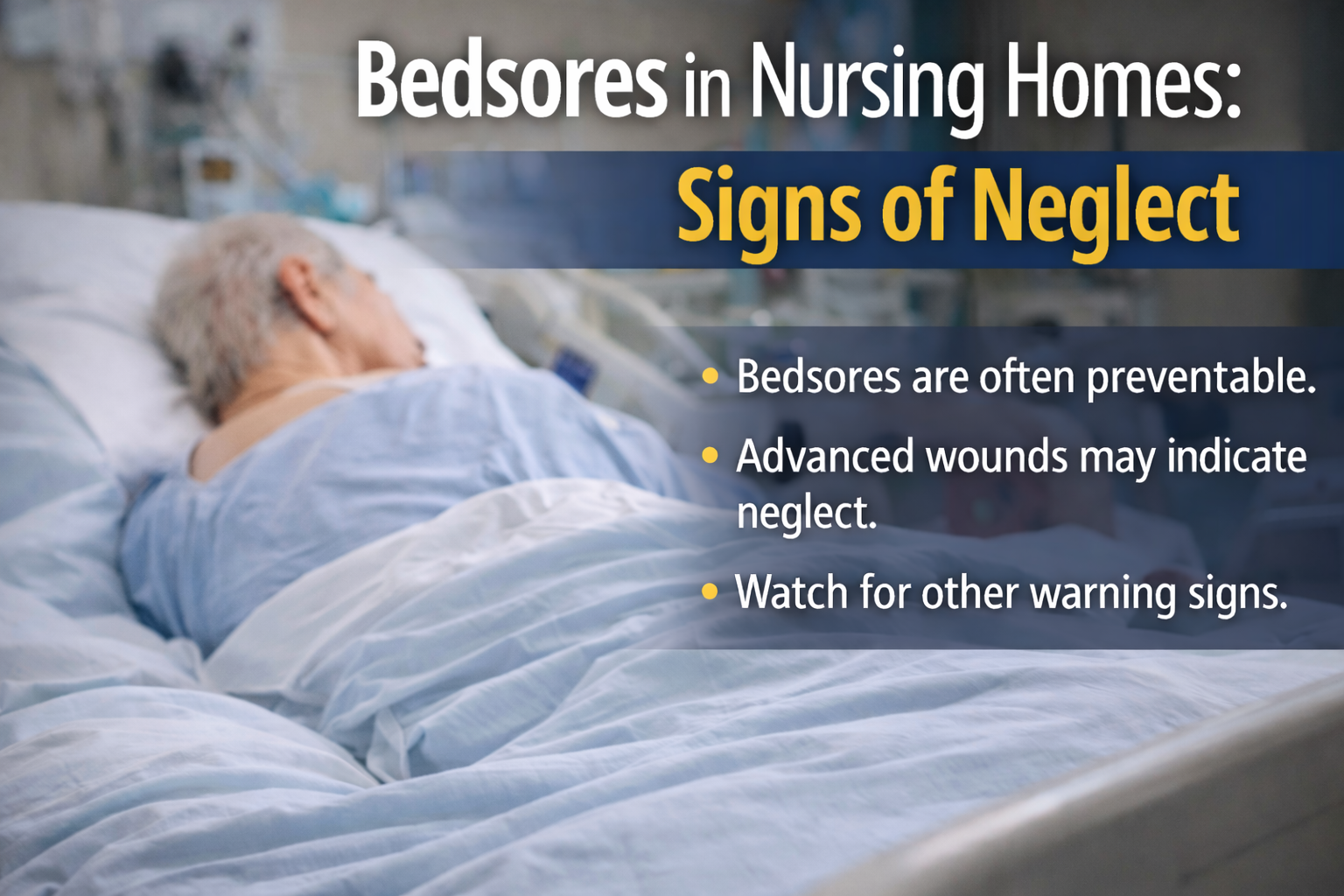
Bedsores, also known as pressure ulcers or pressure injuries, are among the most common and preventable signs of neglect in nursing homes, assisted living facilities, and long-term care settings. They often develop because a resident was not properly monitored, repositioned, or provided adequate medical care.
I know how to help families in these situations. I’ve learned what to look for, including small details in records and care plans that facilities and insurers hope someone will miss. If you have questions about your specific situation, call me at (888) 712-0017. I offer free consultations, and there is no pressure to move forward. You do not have to sign up.
Howell Law Firm represents families across California in cases involving serious injuries caused by elder neglect, including preventable bedsores. When bedsores develop in a care facility, it is often a sign of systemic failure, not an unavoidable medical condition.
Why Bedsores Matter More Than Facilities Admit
Bedsores rarely happen overnight. In most cases, they develop over days or weeks due to ongoing pressure, friction, or moisture. That progression often reflects a breakdown in basic care standards.
Families who are seeing bedsores may also notice other red flags. Bedsores are frequently one of several warning signs of elder neglect, such as dehydration, infections, weight loss, or sudden behavioral changes.
Understanding bedsores as part of a larger pattern is critical.
What Bedsores Are and How They Develop
Bedsores occur when prolonged pressure restricts blood flow to the skin and underlying tissue. Common locations include:
• Heels
• Tailbone
• Hips
• Ankles
• Elbows
• Lower back
Elderly and immobile residents are especially vulnerable. With proper care, most bedsores are preventable.
Stages of Bedsores
Pressure ulcers are classified into stages:
1 Stage
Persistent redness that does not fade when pressed. Often an early warning sign.
2 Stage
Partial skin loss, blisters, or open sores.
3 Stage
Deep wounds involving tissue damage and increased infection risk.
4 Stage
Severe wounds exposing muscle, tendon, or bone. These injuries are often life-threatening. Advanced stage bedsores strongly suggest prolonged neglect.
Understanding Care Settings and Responsibility
Care standards and oversight differ depending on the type of facility. Nursing homes, assisted living facilities, and other licensed care environments are regulated differently under California law.
Understanding which care setting applies helps determine who is responsible when bedsores develop. Read More Here
Responsibility may fall on the facility, management company, or individual caregivers.
What Families Should Do When Bedsores Are Discovered
If your loved one develops bedsores in a care facility:
• Request immediate medical evaluation
• Photograph and document the wounds
• Ask for care plans, repositioning logs, and wound assessments
• Communicate concerns in writing
• Preserve all medical and facility records
Medical records often reveal whether staff followed required repositioning and wound-care protocols. Families have the right to request these records, and delays or resistance can be a red flag.
Read How To Get Medical Records Here
Helpful Resources for Families Concerned About Bedsores and Neglect
The following official resources can help families understand care standards, document concerns, and report suspected neglect.
California Department of Social Services – Adult Protective Services (APS)
Investigates elder abuse and neglect in residential and community settings.
California Long-Term Care Ombudsman Program
Advocates for residents of nursing homes and assisted living facilities.
Centers for Medicare and Medicaid Services (CMS)
Sets federal nursing home care standards, including pressure ulcer prevention.
MedlinePlus – National Library of Medicine
Plain-language medical information on bedsores, stages, and risks.
If concerns are not addressed internally, families may need to file a formal complaint. Knowing how and where to file helps ensure concerns are documented correctly. File A Complaint
When Bedsores Become a Legal Issue
Bedsores may support a legal claim when they result from neglect rather than unavoidable medical conditions. These cases often involve:
• Failure to reposition residents
• Inadequate staffing
• Missed wound assessments
• Poor hygiene or nutrition
• Ignored care plans
Legal accountability depends on documentation, timelines, and the care setting involved.
Families should also be aware that elder neglect claims are subject to strict legal deadlines. Waiting too long can limit options. Read about California Elder Care Legal Deadlines
How This Fits Into the Bigger Picture
Bedsores are often one part of a broader neglect situation. Families who want a comprehensive overview of recognizing neglect, requesting records, and taking next steps may find this helpful:
Elder Care Resource Guide for California Families
Speak With an Elder Neglect Attorney
Bedsores should never be dismissed as normal aging. In many cases, they are a clear warning sign that basic care standards were not met.
If your loved one developed serious bedsores while in a care facility and you want to understand your options, call (888) 712-0017. Consultations are free, and there is no pressure to move forward.
Related Reading
- Elder Care Resource Guide for California Families
- Warning Signs of Elder Neglect
- Understanding Care Settings in California
- How to Get Medical Records in California
- How to File a Complaint Against
- California Elder Care Legal Deadlines Explained